 WhatsApp:+852-69577225
Samsung’s Exynos 2800 to Use 2nm SF2P+ Process Instead of 1.4nm
3/27/2026 3:24:33 PM
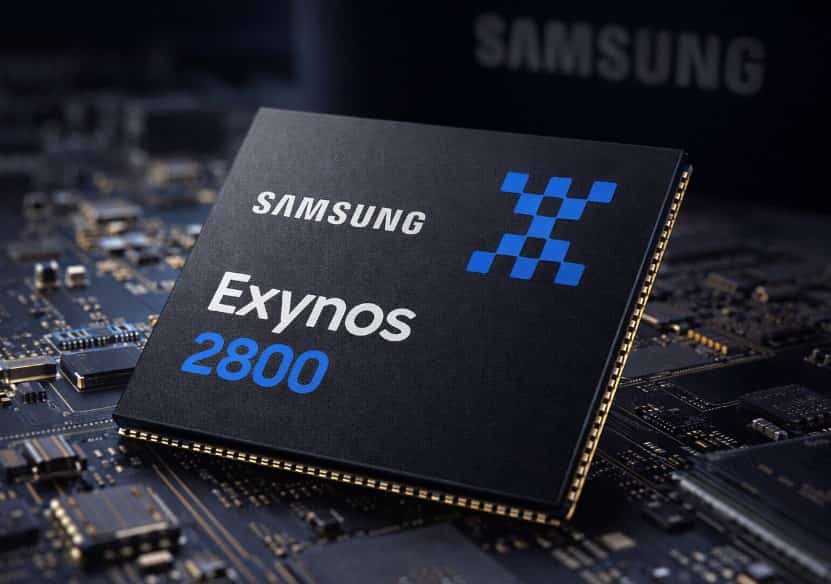
Samsung Electronics' next-generation system-on-chip (SoC), the Exynos 2800, codenamed Vanguard, will no longer use the originally planned 1.4nm process. Instead, it will adopt the upgraded 2nm gate-all-around (GAA) process, SF2P+, with tape-out targeted for completion within this year.
According to the report, Samsung has postponed the mass-production timeline for its 1.4nm SF1.4 process and is shifting its focus to the soon-to-enter-production second-generation 2nm node, SF2, and its enhanced version, SF2P+, as its primary technology platforms. The move is intended to optimize chip performance and power efficiency without driving up costs.
Compared with the first-generation 2nm SF2 process, SF2P is said to deliver about 12% higher performance, 25% lower power consumption, and an 8% reduction in chip area. The further-enhanced SF2P+ is expected to shrink circuit dimensions through optical shrink technology, helping improve overall performance and energy efficiency.
Samsung's continued use of the 2nm process is also expected to reduce design complexity and improve foundry yield stability. Industry sources added that development of the Exynos 2700, codenamed Ulysses, which Samsung is expected to mass-produce this year, is also progressing relatively smoothly.
As for Samsung's 1.4nm roadmap, TSMC is expected to begin 1.4nm mass production in 2028, while Intel's 14A process is scheduled for risk production in 2027 and mass production in 2028. By comparison, Samsung has pushed its 1.4nm timeline back to 2029.
- payment



 Online